Qatars Post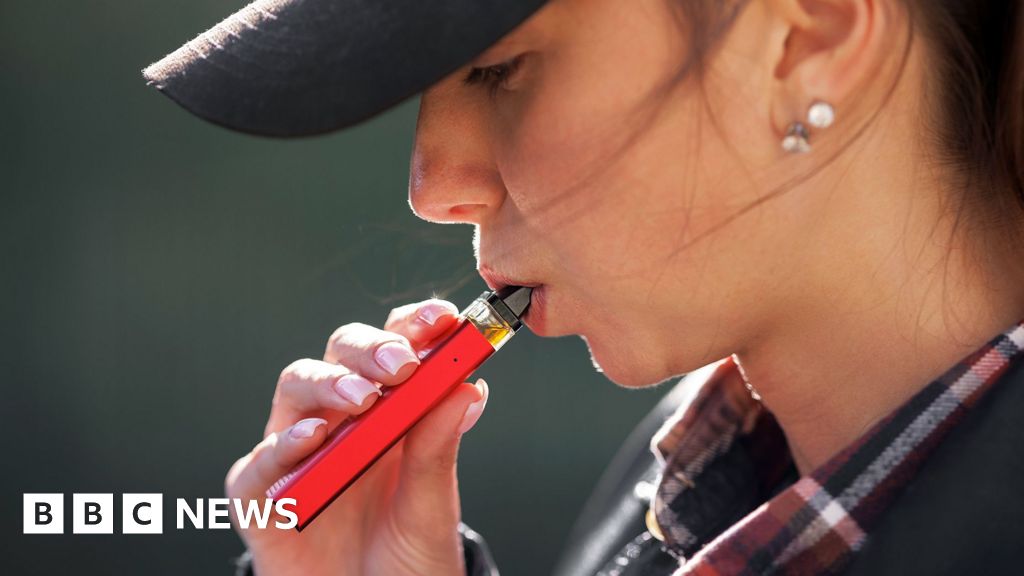
3 hours ago Amy Walker Getty Images When vaping first took off at Gracey Mungulu's school, she was vocal about the fact she found it as repulsive as smoking. "I literally used to tell people like, 'Er, why are you doing that?'" she says. But Gracey says the habit became so common among her classmates that by the age of 16 she too had taken it up, even though the first time left her coughing rather than inhaling.
"The more you see it, the more you start trying it a bit more," Gracey says, "and then eventually I just got used to it and I was just doing it all the time." Now 21, she buys a refillable vape every day, using it whenever her hands aren't busy with her work as a hairdresser and in a school. Gracey is among the more than one million people in the UK who say they have never smoked but now vape, according to recent Office for National Statistics (ONS) survey data – and that number has risen year-on-year. When vaping first came to the market it was seen as a way to help smokers quit cigarettes.
Vaping nicotine, a highly addictive substance, is less harmful than cigarettes, but the long-term effects are not yet clear, according to the NHS. HANDOUT Gracey says the thought of quitting her vape scares her So why are people like Gracey, who have never smoked a cigarette, taking it up? The Londoner believes vaping helps when she's feeling socially anxious.
"It's the hand action," she says, "just having something in your hand, just having something in your mouth." Like cigarettes Gracey's vape contains nicotine, a highly addictive substance that triggers withdrawal symptoms like irritability and anxiety when it leaves your system. Vaping has become a "mindless action," she says. When she answers the call to talk to BBC News for this article, Gracey says that without thinking about it, she had been lying in bed, with her vape in one hand, and her other hand scrolling Instagram.
The habitual aspect of regular vaping is something GP Dr Helen Wall hears a lot from her patients. "It's that kind of psychological dependence on something else to almost regulate their emotions," she says. Like Gracey, Malin Andersson, who vaped until recently, says her habit went hand in hand with doomscrolling.
She had also tried cigarettes but never considered herself a smoker. At 33, she falls in the age range most likely to vape. The ONS report suggests nearly one in six people aged 25-34 in the UK may use e-cigarettes daily or occasionally.
The domestic abuse campaigner and former Love Island contestant started vaping when she was going through a stressful break-up and looking for comfort. She believes it was the physical action that got her hooked. "It's a dopamine hit," Malin says.
"It's literally an adult's version of a dummy." She says it was dulling her senses and leaving her demotivated. Malin became so frustrated with how reliant she had become on her banana ice-flavoured vape that she quit in May this year. "It was annoying me so much that it was always in my hand that I'd end up throwing it across the room," she says.
HANDOUT Malin said she believed her mental and physical health had improved since quitting vaping in May Alex, from Manchester, also gradually formed a vaping habit, which started after she occasionally vaped on nights out and then began to take the vapes home. The 26-year-old, who didn't want to give her last name, says the habit would become such a constant part of her life that she would work while "lying in my bed with my laptop in front of me and then my vape on my chest". Prof Sarah Jackson, from the University College London Alcohol and Tobacco Research Group, points out that while "alarm bells" may ring at the recent ONS figures, it could be the case that some of the people in this group would have started smoking if they hadn't started vaping.
"In which case, vaping has diverted them away from a more harmful behaviour, which is good news," she says. "On the other hand, there will be people that are being exposed to more risk than they would have otherwise." She points to a 2024 study from UCL researchers that found nicotine use had risen among young adults in England, although cigarette smoking had declined. "We can infer from that that some of the people who are vaping wouldn't have smoked otherwise," Jackson says.
The ONS report says about 5.4 million people aged 16 and over vape in Britain, while the number of smokers of all ages continues to steadily fall. Some 4.9 million adults in the UK smoke. The UK is aiming to cut smoking rates and reduce the appeal of vaping among children and young people.
The marketing of vapes - which has featured bright colours and sweet flavours - is being looked at, with a recent government consultation on new measures expected to give a response in due course. Within the 1.1 million vapers who never smoked, "there probably is a group who would not be vaping [without] the marketing of vaping which is very prominent", says Hazel Cheeseman from charity Action on Smoking and Health. The NHS warns non-smokers and those aged 17 and under to never vape, while it's illegal for anyone under 18 to buy vapes.
Disposable vapes - seen as a key driver in the rise of youth vaping – were banned last year . Getty Images Gracey says she buys a refillable vape at a cost of £5 every day Wall says the heavy marketing of vapes in recent years has helped to fuel a "misconception" that they are "safe and not addictive". Gracey thinks vapes should be sold in the same standardised plain packaging as cigarettes because it "looks scary".
"With vapes, they have all these flavours, all these pretty colours - it's just making us more attracted to it". While she says vaping is seen as far more socially acceptable among her generation than smoking, she finds her habit problematic and has considered quitting to save the £35 a week it costs her. But just like smoking, giving up vaping can be a struggle.
And for Alex, vaping led her in the opposite direction. She says she managed to quit vaping while travelling for several months, but with no access to vapes she began smoking cigarettes for the first time instead. Cigarettes are not considered a healthy or helpful way to stop vaping by experts.
The NHS strongly advises people to stop smoking, and it remains the leading cause of preventable illness and premature death in the UK. To quit vaping the NHS suggests gradually reducing the strength of the vape's nicotine, increasing the time between vaping sessions, or switching to a suitable nicotine replacement therapy product. But professional support to stop vaping is patchy, with a recent survey finding fewer than half (45%) of healthcare providers in England offered vaping cessation support.
There is a mixed picture of support to quit across the rest of the UK. While it is good fewer people are smoking, Wall says that for people like Gracey who go straight to vapes a bit of the messaging has been missed. "Vaping was only intended [by the NHS] to be a replacement for cigarettes."
Source: BBC